



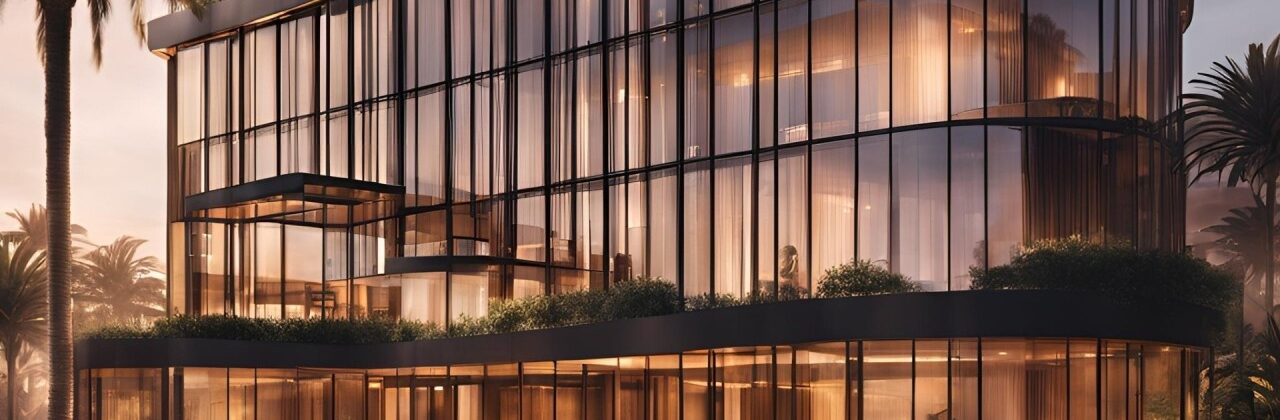
Hotel & Guest House Construction in Sri Lanka
Design and build partners for boutique hotels, guest houses, Airbnb properties and eco-lodges across Sri Lanka
Build Your Hotel or Guest House in Sri Lanka
Sri Lanka’s tourism industry has bounced back in a genuinely significant way, with international arrivals hitting record levels and domestic tourism growing steadily alongside it. This sustained momentum has opened up a real opportunity for investors, entrepreneurs, and landowners looking to enter the hospitality market, whether through hotels, guest houses, or short-term rental properties. Whether you’re a local business owner looking to diversify, an overseas Sri Lankan investing back home, or a foreign investor drawn to the island’s tourism potential, demand for quality accommodation across Sri Lanka has rarely been stronger.
AEDS specialises in designing and building hospitality properties across Sri Lanka. From compact guest houses with 5 rooms through to full-scale boutique hotels with 20 or more, we handle every stage of the process: architectural design optimised specifically for hospitality operations, 3D visualisation so you can see the finished property before construction begins, support with SLTDA registration and local council permits, and complete construction from foundation through to interior fit-out.
Types of Hospitality Projects We Design
Sri Lanka’s hospitality construction landscape covers a wide range of property types. The right option for you depends on your budget, your land, your target market, and how hands-on you want to be with day-to-day operations. Here are the main categories
Guest Houses
3 to 10 room properties suited to owner-operators. Lower investment, faster ROI, and strong, growing demand on Booking.com and Airbnb.
Boutique Hotels
10 to 30 room premium properties with restaurant, pool, and a distinct design identity for discerning travellers.
Airbnb & Villa Rentals
Standalone villas and converted homes designed specifically for short-term holiday rentals, with private outdoor spaces.
Eco-Lodges
Sustainable tourism accommodation built using natural materials and low-impact design for nature-focused travellers.
Resorts & Retreats
Wellness retreats, yoga centres, and small-scale resorts with spa facilities and landscaped grounds.
Commercial Hotels
Larger hotel buildings for urban or commercial areas, combining commercial construction with hospitality fit-out.
The Tourism Construction Opportunity in Sri Lanka
Sri Lanka’s tourism sector has been on a strong upward trajectory for several years now, and the island attracted over 1.5 million international visitors in 2024, with the numbers continuing to climb since. The government’s stated target of 4 million annual tourists by 2030 is driving significant investment in infrastructure, airport expansion, and tourism promotion. For property investors, this translates into sustained, growing demand for quality accommodation, particularly in regions outside the traditional beach resort corridor.
The Cultural Triangle: Sri Lanka’s Tourism Heartland
The Cultural Triangle, taking in Dambulla, Sigiriya, Anuradhapura, and Polonnaruwa, is one of Sri Lanka’s most visited regions. Sigiriya Rock Fortress alone draws over 500,000 visitors a year, while the Dambulla Cave Temple, Minneriya National Park’s elephant gatherings, and the ancient cities of Anuradhapura and Polonnaruwa pull in hundreds of thousands more between them. Yet the accommodation supply across this region still lags well behind demand, particularly at the mid-range and boutique end.
That gap between supply and demand is where the opportunity sits. Land prices in the Dambulla-Sigiriya corridor remain notably affordable compared to Colombo or the southern coast, with perches available from around Rs. 100,000 to Rs. 400,000 in prime tourism-adjacent locations. Combined with lower construction costs across the Central Province, the total investment needed to build a guest house or boutique hotel in this region is a fraction of what the same project would cost in Colombo or along the Galle coast.
Kandy: Year-Round Tourism Demand
Kandy, Sri Lanka’s cultural capital, draws visitors consistently throughout the year. The Temple of the Tooth, the Perahera festival, the Royal Botanical Gardens, and the surrounding hill country scenery together create a steady base of tourism demand. Unlike seasonal coastal destinations, Kandy’s cultural and religious significance keeps occupancy rates relatively stable across every month of the year. Building a guest house or boutique hotel within roughly a 30-minute radius of Kandy city is an investment backed by genuinely proven long-term demand.
The Airbnb and Digital Nomad Market
Sri Lanka has become a genuinely popular destination for digital nomads and remote workers, particularly since the introduction of the Digital Nomad Visa. These travellers are looking for comfortable, well-designed accommodation for stays of one to three months, and they overwhelmingly book through platforms like Airbnb and Booking.com. Properties offering fast WiFi, dedicated workspaces, modern kitchens, and private outdoor areas command premium rates and enjoy strong occupancy as a result. Building a purpose-designed Airbnb property is currently one of the fastest-growing investment opportunities in Sri Lankan real estate.
Guest House vs Boutique Hotel: What to Consider
One of the most common questions investors ask is whether to build a guest house or a boutique hotel. Both are viable models, but they call for different levels of investment, different operational demands, and they target different segments of the market. Here’s a direct comparison to help weigh the two:
| Factor | Guest House (3–10 Rooms) | Boutique Hotel (10–30 Rooms) |
|---|---|---|
| Initial Investment | Rs. 10 – 30 million | Rs. 50 – 200+ million |
| Construction Time | 8 – 12 months | 12 – 24 months |
| Room Rate (ADR) | Rs. 5,000 – 15,000/night | Rs. 15,000 – 50,000+/night |
| Staff Required | 2 – 5 (often family-run) | 10 – 30+ (professional team) |
| SLTDA Category | Supplementary establishment | Classified hotel |
| Facilities Required | En-suite rooms, breakfast area, parking | Restaurant, pool, lounge, conference room |
| Break-Even Period | 3 – 5 years | 5 – 10 years |
| Best For | First-time investors, landowners, families | Experienced hospitality investors, partnerships |
For most first-time investors, a well-designed guest house tends to offer the best balance of investment, risk, and return. The lower initial capital requirement means revenue starts flowing sooner, and the operational demands are manageable for a small team or a family running the property themselves. Many successful guest house owners in the Sigiriya-Dambulla area started with just 5 rooms and expanded once occupancy proved the demand was real. We design properties with future expansion in mind from the outset, so adding rooms later doesn’t mean demolishing or reworking the existing structure.
Hotel and Guest House Construction Costs (2026)
Construction costs for hospitality properties typically run 15-25% higher than standard residential construction, largely because of the additional requirements involved: en-suite bathrooms in every room, commercial-grade plumbing and electrical systems, fire safety provisions, sound insulation between rooms, and a generally higher standard of finishing to meet guest expectations. Here are the current cost ranges for hospitality construction in Sri Lanka:
Cost Per Room by Property Type
| Property Type | Cost Per Room (2026) | Includes |
|---|---|---|
| Budget Guest House | Rs. 2.0 – 3.5 million | Basic en-suite room, standard fixtures, simple furnishing provisions |
| Mid-Range Guest House | Rs. 3.5 – 5.0 million | Well-finished en-suite, hot water, quality tiles, modern bathroom fittings |
| Boutique Hotel Room | Rs. 5.0 – 8.0 million | Premium finishes, designer bathroom, air conditioning provisions, sound insulation |
| Luxury Suite | Rs. 8.0 – 15.0+ million | Spacious suite, premium materials, private balcony, high-end fixtures throughout |
Cost Per Square Foot by Finish Level
| Finish Level | Cost Per Sqft (2026) | Description |
|---|---|---|
| Standard Hospitality | Rs. 8,000 – 12,000 | Quality ceramic tiles, standard en-suite bathrooms, plastered and painted walls, basic landscaping |
| Premium Hospitality | Rs. 12,000 – 18,000 | Porcelain tiles, designer bathrooms, concealed AC ducting, quality doors and windows, professional landscaping |
| Luxury Hospitality | Rs. 18,000 – 28,000+ | Natural stone floors, imported fittings, bespoke joinery, pool, spa-grade facilities, premium exteriors |
These figures cover the building shell, interior finishing, plumbing, electrical work, and basic external works. They don’t include land cost, furniture, soft furnishings, kitchen equipment, or swimming pool construction, which typically adds a further Rs. 3 to 8 million depending on size. For a tailored estimate specific to your project, get in touch for a free detailed BOQ.
Permits and Approvals for Hotel Construction
Building a hotel or guest house in Sri Lanka involves considerably more regulatory approval than standard residential construction. Understanding these requirements upfront is what prevents costly delays and keeps your property legally compliant from day one. Here’s a full overview of the permits and licences involved:
1. Building Permit (Local Authority)
Every construction project in Sri Lanka needs a building permit from the local Pradeshiya Sabha or Municipal Council. For hospitality projects, the baseline requirements mirror residential buildings but typically involve closer scrutiny around parking provisions, road access, and waste management. You’ll need approved architectural drawings, structural plans, a land deed, a survey plan, and the permit application fee.
2. UDA Approval (Urban Development Authority)
For buildings that exceed certain floor area thresholds or sit within UDA-designated zones, clearance from the Urban Development Authority is required. Most hotels and larger guest houses will need UDA approval, which looks closely at building setbacks, floor area ratios, parking requirements, and environmental impact.
3. SLTDA Registration (Sri Lanka Tourism Development Authority)
Any establishment offering rooms for hire has to register with the SLTDA. The registration process checks your building plans against minimum facility standards for the relevant category (guest house, boutique hotel, classified hotel, and so on). Key SLTDA requirements include:
- Minimum room sizes (typically 120 sqft for standard rooms, larger for higher categories)
- En-suite bathrooms with hot and cold water in every guest room
- Adequate ventilation and natural lighting throughout guest areas
- Fire safety provisions, including extinguishers, emergency exits, and evacuation plans
- Parking spaces proportional to room count
- A reception or front desk area
- Adequate waste disposal and sewage treatment systems
We design every hospitality project to meet SLTDA standards from the very start, so you’re not facing expensive modifications after construction is already complete.
4. Environmental Clearance
If your property sits near a national park, forest reserve, water body, or archaeological site, you may need environmental clearance from the Central Environmental Authority (CEA). This is particularly relevant for properties near Minneriya, Kaudulla, or the Knuckles Conservation Forest. The area around the Dambulla Cave Temple also carries heritage zone restrictions that can affect building height and design.
5. Fire Safety Certification
Hotels and guest houses must obtain fire safety certification from the Fire Services Department. This covers fire extinguisher placement, emergency exit routes, fire-resistant materials in corridors and stairwells, smoke detectors, and emergency lighting. We build these requirements into the design from the start, so compliance is designed in rather than bolted on afterwards.
Our Design and Planning Services for Hotels
Hospitality architecture works fundamentally differently from residential design. A guest room has to balance aesthetics against operational efficiency. Corridors need enough width for housekeeping trolleys. Plumbing has to cope with simultaneous hot water demand across multiple rooms. Sound insulation between rooms is critical to guest satisfaction. These are exactly the details that residential-focused builders often miss when they take on their first hotel project.
Our design approach for hospitality projects focuses on:
- Revenue-optimised floor plans – maximising the number of lettable rooms while keeping room sizes comfortable, circulation space adequate, and the layout compliant with SLTDA minimums
- Guest experience design – shaping arrival sequences, common areas, and outdoor spaces that genuinely enhance the guest experience and generate positive reviews
- Operational efficiency – positioning housekeeping stores, laundry areas, kitchens, and staff spaces for smooth daily operations without disrupting guest areas
- Climate-appropriate design – using natural ventilation, shading, and orientation to minimise air conditioning costs in Sri Lanka’s warm climate
- 3D visualisation – full 3D renderings of the exterior, guest rooms, reception, restaurant, and landscaping, so you can experience the hotel before a single brick is laid
- Future expansion planning – designing the structure so additional rooms or facilities can be added later without major rework
These design services are included as part of our construction package, so there’s no need to hire a separate architect. Our in-house team handles everything from concept sketches through to council-approved drawings and detailed BOQ preparation.
Areas We Serve for Hotel and Guest House Construction
AEDS serves hospitality construction projects across Sri Lanka’s key tourism regions:
Ella – a hill country favourite known for its scenery, hiking trails, and the Nine Arches Bridge, with steady demand for boutique hotels, eco-lodges, and wellness retreats catering to both local and international travellers
Dambulla & Sigiriya – the Cultural Triangle’s hospitality hotspot. Highest demand for guest houses and boutique hotels, with affordable land prices and proximity to Sigiriya Rock, Dambulla Cave Temple, and Minneriya National Park
Kandy & Surrounds – year-round tourism demand from the Temple of the Tooth, Perahera festival, botanical gardens, and hill country attractions. A strong market for boutique hotels and heritage properties
Matale District – an emerging eco-tourism destination with spice gardens, the Knuckles Mountain Range, and waterfalls. Well suited to eco-lodges, wellness retreats, and nature-focused accommodation
Habarana – a key junction for Cultural Triangle tours and safari excursions, with growing demand for mid-range accommodation serving Minneriya and Kaudulla elephant safaris
Colombo – a business hotel and serviced apartment market. Higher construction costs but premium room rates and consistent corporate demand
Kurunegala – an emerging business and transit hub with growing demand for business-class accommodation
Galle & Unawatuna – the fort town and its surrounding beach belt remain one of Sri Lanka’s most established boutique hotel markets, with strong demand for heritage-style properties and beachfront boutique stays
Mirissa & Weligama – a hub for surf tourism and beachfront villas, with consistent demand for mid-range to boutique guest houses close to the coast
Bentota – an established beach resort corridor with a mature hospitality market, well suited to both boutique hotels and larger resort-style developments
Ahangama & Midigama – fast-growing surf towns drawing a younger, longer-stay traveller base, with strong demand for Airbnb-style villas and boutique guest houses
Hiriketiya & Dikwella – smaller, design-forward beach destinations popular with travellers seeking a quieter boutique experience away from the larger coastal towns
Ranna – an emerging, less-developed stretch of the south coast offering lower land costs with growing tourism interest, suited to early-mover eco-lodge and boutique guest house investment
Matara – a regional hub along the southern coast with good access to the surrounding beach towns, suited to both commercial hospitality and boutique guest house development
If your land is somewhere else entirely, get in touch to discuss your project. We assess each location on tourism demand, accessibility, and construction feasibility before putting together a proposal. For overseas investors, we offer the same WhatsApp-based communication, video call site visits, and milestone-based payment structure used across our residential overseas projects.
Profitability: What Returns Can You Expect?
Understanding the likely financial return on a hospitality investment matters before committing capital. Here are realistic profitability scenarios based on current market conditions in Sri Lanka’s Central Province:
5-Room Guest House Near Sigiriya
- Construction cost: Rs. 18 – 25 million (mid-range finish, including common areas)
- Average daily rate: Rs. 8,000 – 12,000 per room per night
- Annual occupancy: 55 – 65% (higher in peak season December–April)
- Gross annual revenue: Rs. 8 – 14 million
- Operating costs: 40 – 50% of revenue (staff, utilities, maintenance, platform commissions)
- Net annual income: Rs. 4 – 7 million
- Estimated ROI: 18 – 30% annually
10-Room Boutique Hotel in Kandy Area
- Construction cost: Rs. 60 – 90 million (premium finish, restaurant, landscaping)
- Average daily rate: Rs. 18,000 – 30,000 per room per night
- Annual occupancy: 60 – 70%
- Gross annual revenue: Rs. 39 – 77 million
- Operating costs: 50 – 60% of revenue (larger staff, F&B costs, marketing)
- Net annual income: Rs. 16 – 31 million
- Estimated ROI: 20 – 35% annually
These projections assume professional management, active listing on major booking platforms, and competitive pricing. Actual returns will depend on your property’s location, design quality, service standards, and marketing effort. Properties with strong online reviews and professional photography consistently outperform those without. For a personalised estimate, get in touch for a free consultation.
Construction Process for Hospitality Projects
Building a hotel or guest house follows the same fundamental stages as residential construction, with additional considerations layered in at each step. Here’s how the process typically runs:
- Site Assessment and Feasibility – we visit your land, assess soil conditions, access roads, water supply, and proximity to tourism attractions, and advise on feasibility and the optimal property type for your location.
- Concept Design and 3D Visualisation – our team develops floor plans, room layouts, and full 3D renderings. You review and iterate until the design meets your vision and your budget.
- BOQ and Cost Agreement – a detailed Bill of Quantities itemises every material and labour cost. You approve the budget before construction starts, with no hidden charges.
- Permits and Approvals – we prepare all building plans, submit permit applications to the local council, and coordinate with SLTDA, UDA, and CEA as required.
- Foundation and Structure – excavation, foundation work, columns, beams, and slab construction, with particular attention paid to plumbing risers and electrical conduits serving multiple rooms.
- Roof, Walls, and Envelope – roofing, brickwork, plastering, waterproofing, and window installation, with sound insulation between guest rooms installed at this stage.
- MEP Installation – mechanical, electrical, and plumbing systems including hot water systems, AC provisions, commercial-grade wiring, and fire safety equipment.
- Interior Finishing – tiling, painting, bathroom fitting, kitchen installation, reception area, and common spaces, with every room finished to a consistent hospitality standard.
- External Works and Landscaping – driveways, parking areas, garden landscaping, external lighting, signage, and boundary treatments.
- Handover and Documentation – final inspection, as-built drawings, MEP layouts, warranties, and SLTDA compliance documentation.
Frequently Asked Questions About Hotel & Guest House Construction
How much does it cost to build a guest house in Sri Lanka in 2026?
A 5-room guest house in Sri Lanka typically costs around Rs. 15 to 30 million for a mid-range finish in 2026, depending on location, design complexity, and material choices. Per-room construction costs range from Rs. 2.5 to 6 million, while per square foot costs run close to residential construction at Rs. 8,000 to 15,000 for a hospitality-grade finish. A free, detailed BOQ before construction begins ensures you know the exact cost upfront.
Do I need an SLTDA licence to operate a guest house in Sri Lanka?
Yes, any accommodation establishment with more than 3 rooms for hire needs to register with the Sri Lanka Tourism Development Authority (SLTDA). This includes guest houses, boutique hotels, and Airbnb properties operating commercially. The SLTDA registration process requires building plan approval, fire safety compliance, and adherence to minimum facility standards. Designing the property to meet all SLTDA requirements from the outset avoids costly rework later.
What permits are needed to build a hotel in Sri Lanka?
Building a hotel in Sri Lanka requires several approvals: a building permit from the local Pradeshiya Sabha or Municipal Council, UDA clearance for larger buildings, environmental clearance from the CEA for properties near sensitive areas, SLTDA registration for tourism accommodation, and fire safety certification.
Is building a guest house near Sigiriya a good investment?
Yes, Sigiriya is one of Sri Lanka’s highest-demand tourism areas, drawing over 500,000 visitors annually to the Rock Fortress alone. Guest houses and boutique hotels along the Sigiriya-Dambulla corridor consistently achieve strong occupancy, particularly during the peak season from December to April. With land prices notably more affordable than Colombo, the return on investment for a well-designed guest house in this area is genuinely compelling.
How long does it take to build a guest house or boutique hotel?
A small guest house with 5 to 8 rooms typically takes 8 to 12 months to complete, including design, permits, and construction. A larger boutique hotel with 10 to 20 rooms may take 12 to 18 months. The exact timeline depends on design complexity, site conditions, and how quickly permits are approved. Starting during the dry season helps avoid weather-related delays.
Can I build an Airbnb property in Sri Lanka as a foreign investor?
Foreign investors can build hospitality properties in Sri Lanka through Board of Investment (BOI) approval for larger projects, or through local company structures. Sri Lankan citizens living abroad can invest directly in their own name. The property will need to comply with SLTDA regulations if it operates as commercial accommodation.
What’s the difference between building a guest house and a boutique hotel?
A guest house is typically a smaller property with 3 to 10 rooms, often operated by the owner’s family, with a lower initial investment of Rs. 10 to 30 million. A boutique hotel has 10 to 30 rooms with higher-end finishes, professional staff, restaurant facilities, and a larger investment starting from Rs. 50 million upwards. Guest houses carry lower operating costs and a faster path to ROI, while boutique hotels command higher room rates.
Which areas in Sri Lanka are best for hotel construction?
The Cultural Triangle, including Dambulla, Sigiriya, and Habarana, offers the strongest combination of tourism demand and affordable land. Kandy draws year-round visitors for cultural and religious tourism. Matale and the surrounding hill country are emerging destinations for eco-tourism and wellness retreats. Each area suits different property types and investment levels.
Do you handle hotel interior fit-out and furnishing?
Yes, we provide complete construction services from foundation to finishing, including interior fit-out for hospitality projects. This covers bathroom fixtures, kitchen installations, reception areas, flooring, painting, electrical and plumbing systems, and external landscaping, with interiors designed around hospitality functionality so rooms meet guest expectations for comfort and aesthetics.
How do I estimate the profitability of a guest house in Sri Lanka?
Profitability depends on location, room count, average daily rate, and occupancy. A 5-room guest house near Sigiriya charging Rs. 8,000 to 15,000 per night with 60% occupancy can generate Rs. 8 to 16 million in annual revenue. After operating costs of roughly 40-50%, net income typically ranges from Rs. 4 to 8 million a year. A personalised estimate is the best way to pin this down for your specific site and concept.
Ready to Build Your Hotel or Guest House?
If you’re planning a hotel, guest house, Airbnb property, or eco-lodge anywhere in Sri Lanka, let’s talk. Our team can walk you through site feasibility, design concepts, and the approval pathway specific to your project.
AEDS offers a detailed planning session through our consultation page, where you can review your land, budget and design goals with a specialist and understand the best way to move forward.
You can also explore who we are to see how this integrated, engineering-led approach differs from traditional builders.
Reach us via hello@aedspaces.com or through WhatsApp +94777689678.
